
Maintaining a heating system in winter is not only a matter of comfort, but also of safety and energy savings. When temperatures drop, your heating system operates at full capacity. It then becomes essential to ensure that it remains efficient, clean, and properly adjusted to get through the cold season without incident. Regular maintenance not only helps prevent breakdowns but also optimizes energy consumption and extends the lifespan of your equipment.
A well‑maintained heating system also means even heat distribution, more stable utility bills, and daily peace of mind. Whether you use a furnace, a heat pump, an electric radiator, or a dual‑energy system, winter maintenance follows the same core principles: inspection, cleaning, adjustment checks, and failure prevention.
Why maintaining a heating system in winter is essential
Maintaining a heating system in winter is an essential action that directly impacts your comfort, safety, and energy expenses. As temperatures fall, your system runs continuously and every component is subjected to greater stress. Without proper maintenance, the risks of overheating, breakdowns, and premature wear increase rapidly. A simple clogged filter can significantly reduce efficiency, lead to unnecessary energy consumption, or even cause a complete system shutdown.
Regular maintenance also makes it possible to identify early signs of system fatigue before they become serious issues. This includes unusual vibrations, abnormal noises, temperature fluctuations, or suspicious odors. By ensuring that every component functions properly, you extend the lifespan of your heating system and preserve the indoor air quality of your home.
Checks to perform regularly
To maintain a heating system in winter effectively, certain checks should become routine habits. Start with the filters: they play a key role in airflow quality and overall system efficiency. A dirty filter can reduce air circulation, force the system to work harder, and increase energy costs. Cleaning or replacing them regularly ensures better overall performance.
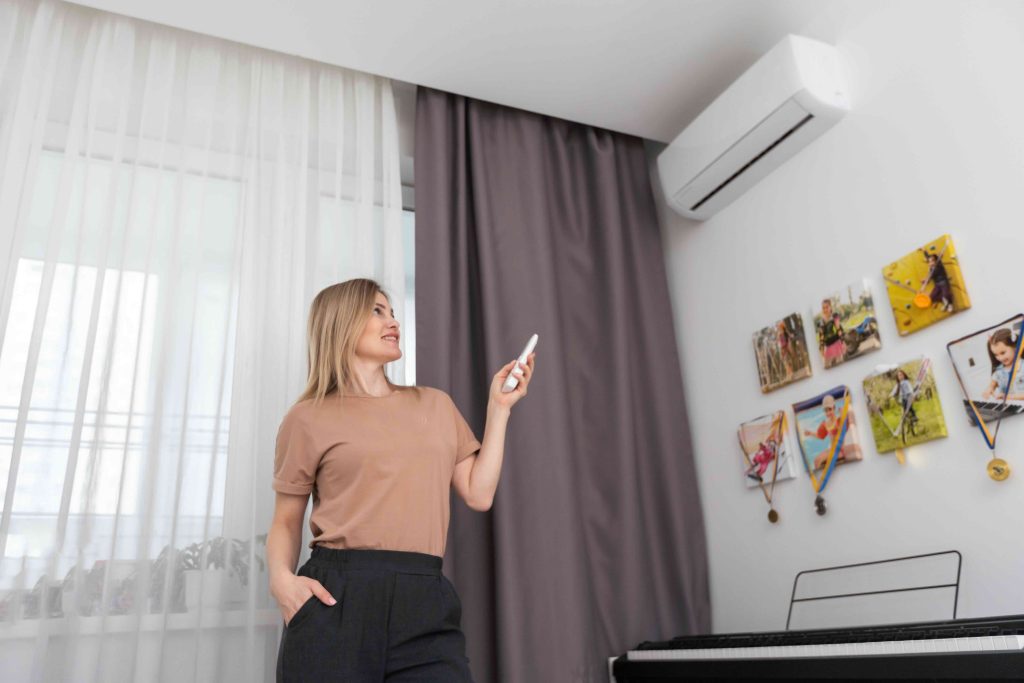
Next, inspect the ducts and air vents. Objects, dust, or debris can accumulate and hinder heat distribution. Also check system pressure, outlet temperature, or the condition of the ventilation system if your installation includes one. Finally, take a few minutes to test your thermostat. A poorly adjusted or faulty thermostat can cause cycles that are too short or too long, negatively affecting comfort and energy efficiency.
The role of a professional in maintenance
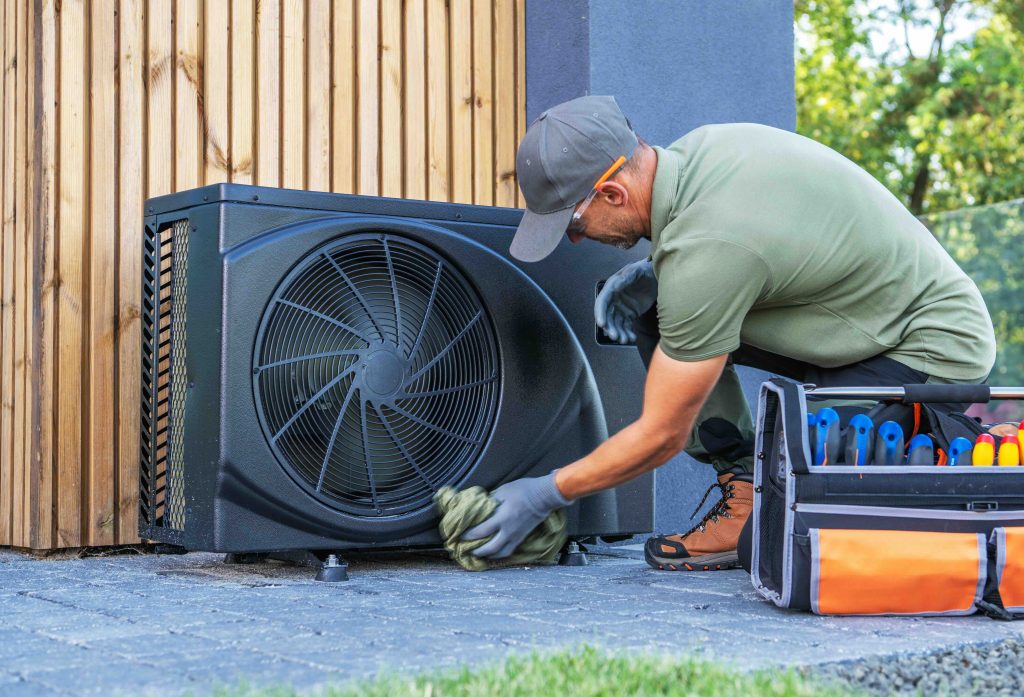
Although some maintenance tasks can be carried out by the homeowner, a complete inspection requires the expertise of a certified technician. A professional can detect signs of wear or anomalies that are invisible to the naked eye. This includes checking electrical connections, burners, compressors, refrigerant pressure, and the condition of automatic safety systems. This level of assessment ensures optimal performance and reduces the risk of unexpected breakdowns.
The specialist also performs a thorough cleaning of internal components, removing deposits that can affect system operation. They adjust settings to optimize energy efficiency based on your home’s configuration. Annual professional maintenance not only improves system longevity, but also enhances household safety by reducing risks related to gas, overheating, or mechanical failures.
Mistakes to avoid during the cold season
Maintaining a heating system in winter also means avoiding certain common mistakes. One of the most frequent is blocking air vents with furniture, objects, or curtains. This poor habit restricts heat circulation and forces the system to compensate, leading to premature wear. Another common mistake is completely shutting off the heating system during an absence in an attempt to save money. In reality, this exposes pipes to freezing, which can cause costly damage.
It is also important not to ignore signs of malfunction. Unusual noises, irregular airflow, or strange odors should never be taken lightly. Finally, never attempt improvised repairs. Improper handling can worsen the problem or put your safety at risk. Maintaining proper indoor humidity levels is also essential, as air that is too dry makes heating less comfortable and can irritate the respiratory system.
The benefits of well‑executed winter maintenance
Maintaining a heating system in winter offers many tangible benefits that are felt on a daily basis. First, a well‑maintained system heats more quickly and distributes heat more evenly throughout all rooms, creating a stable and comfortable environment. Second, a clean and properly adjusted system uses less energy to produce the same amount of heat. This results in lower utility bills while reducing your energy footprint.
Over the long term, preventive maintenance protects your installation from major breakdowns. Components remain in good condition, motors operate without overload, and ducts retain their efficiency. This means fewer costly repairs, improved safety, and an extended lifespan for the entire system. Proper maintenance is a smart, cost‑effective, and essential investment in household comfort.
Our recommendation for maintain a heating system in winter
Maintaining a heating system in winter is an essential step in preserving your comfort, safety, and savings. By combining simple at‑home actions with annual professional servicing, you ensure optimal operation, improved longevity, and consistent performance despite extreme temperatures. You avoid unexpected breakdowns, reduce energy consumption, and enjoy steady comfort throughout the winter.
Our experts are here to support you with a complete and personalized service. Inspection, cleaning, adjustments, and optimization advice: each intervention is tailored to your system and your actual needs. Contact us today to schedule your heating maintenance and ensure a worry‑free winter in a warm and safe home.